Thermal and mechanical interfaces
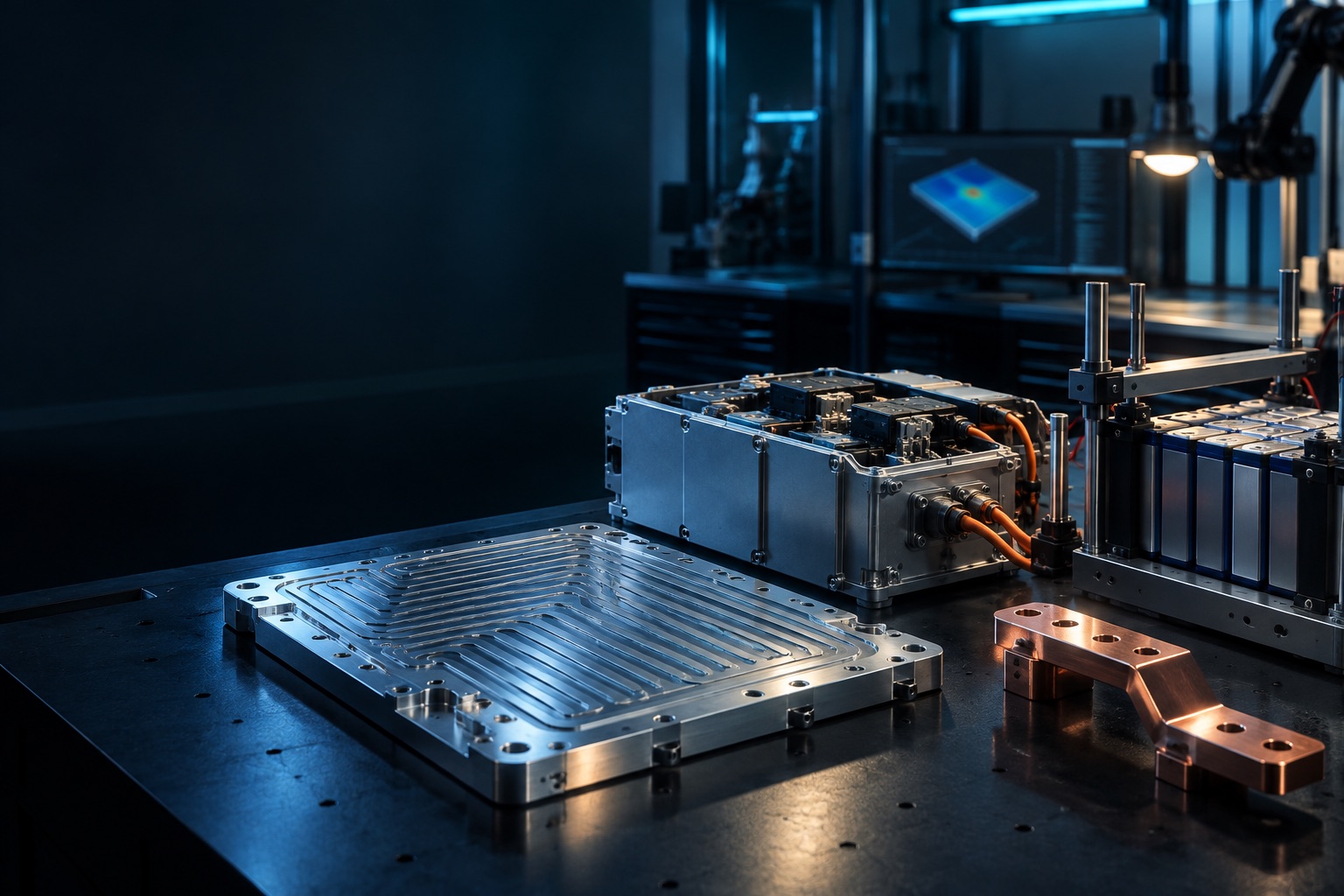
Thermal plates, housings and mounts are reviewed around contact surfaces, assembly conditions and specified interfaces.
 Request a quote
 Energy & clean technology manufacturing
Home/Industries/Energy & Clean Technology
Manufacturing support for energy-storage, power-system and clean-technology equipment where thermal, electrical and mechanical interfaces should be understood together before a part is released.
Manufacturing with context
Power and clean-technology equipment often combines housings, thermal parts, busbars, mounts and test hardware. We review the drawing alongside the practical information that helps define material, finish, interfaces and the appropriate manufacturing route for the project.
What stays in view
Thermal plates, housings and mounts are reviewed around contact surfaces, assembly conditions and specified interfaces.
CNC machining, sheet metal, molding and additive processes can be considered around geometry, quantity and the stage of development.
Critical material, finish, inspection and delivery requirements are confirmed before the order is released.
Typical applications
State the relevant operating environment and assembly context so the project can be reviewed against the real use of the component.
Discuss your componentRequirements at RFQ stage
From drawing to decision
Send the drawing and explain where the component sits in the equipment or test setup.
Call out thermal contact, mounting, electrical clearances or other critical requirements.
The proposed material, finish, process and inspection scope are considered together.
Production follows the approved project requirements and current revision.
Your next project
Share the current revision, material, quantity, delivery target and the requirements that matter for your application. We’ll review the information before responding.
READY TO QUOTE